by Hong Yin | Jun 19, 2025 | Blog
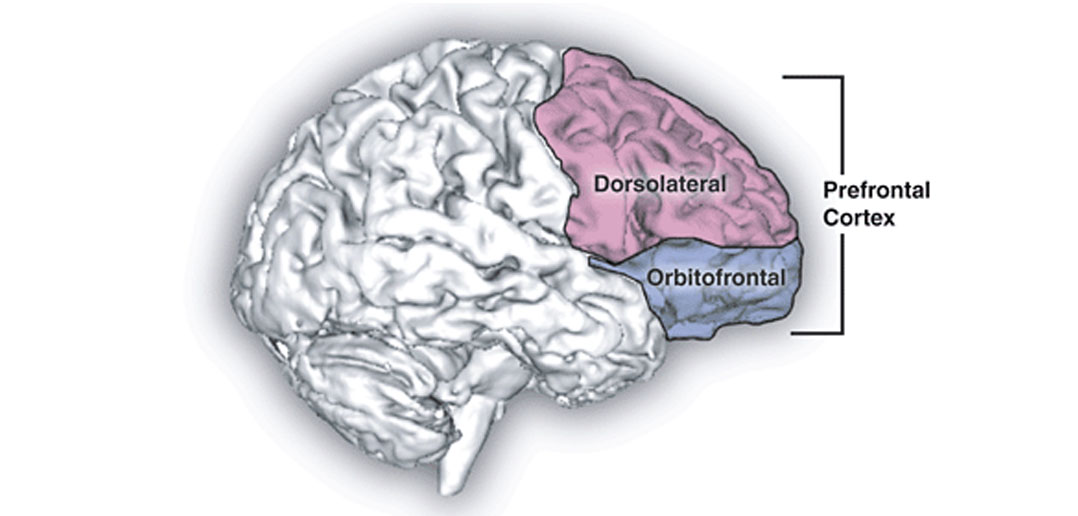
TL;DR TMS is effective for anxiety, depression, addictions, and autism. The DLPFC is targeted for its role in mood regulation and cognition. Left DLPFC underactivity is linked to depression, and TMS boosts its activity. High-frequency TMS shows strong results in...
by Hong Yin | May 15, 2025 | Blog
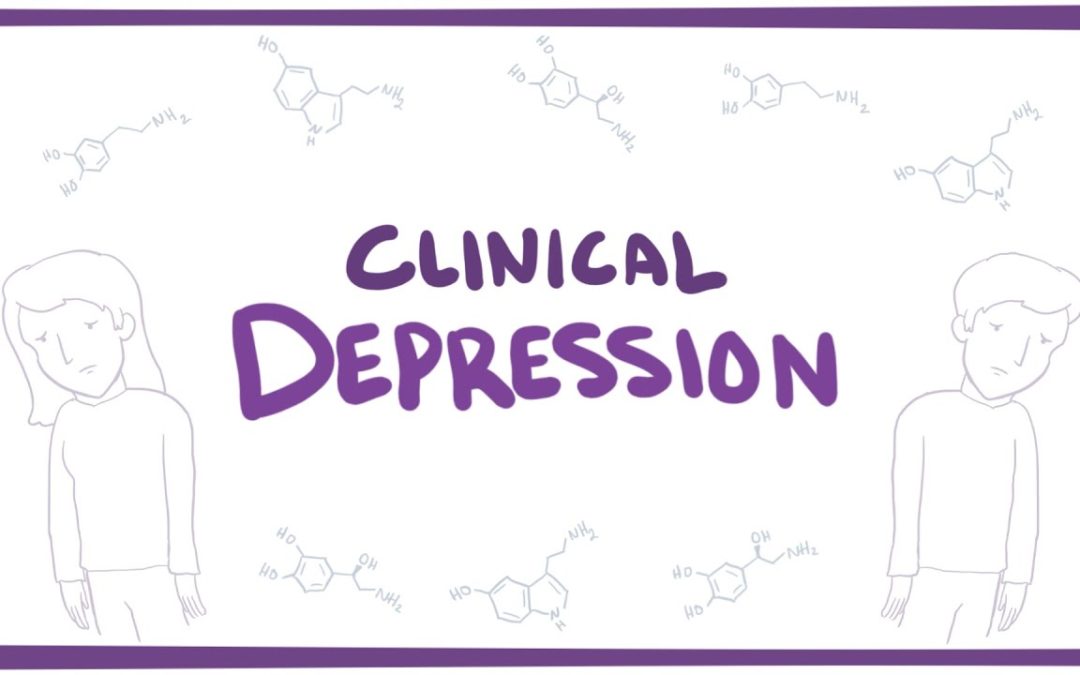
TLDR Depression involves imbalances in neurotransmitters like serotonin, dopamine, and norepinephrine. Low levels of these chemicals may contribute to depressive symptoms. Genetics can increase the risk of developing depression. Different types of depression have...
by Hong Yin | May 15, 2025 | Blog
TLDR Transcranial Magnetic Stimulation (TMS) uses magnets to non-invasively stimulate specific brain areas. It works by creating magnetic fields that induce electrical currents in the brain, altering neural activity. TMS is primarily used to treat mental health...
by Hong Yin | Apr 28, 2025 | Blog
TLDR NMDA Receptor Blockade: At high doses, ketamine blocks NMDA receptors, inhibiting glutamate transmission, which contributes to its anesthetic effects. Enhanced Glutamate Release: At lower doses, ketamine increases glutamate production, potentially leading to...
by Hong Yin | Apr 20, 2025 | Blog
TLDR Combining Medications: If a single antidepressant isn’t effective, combining medications like Wellbutrin (bupropion) and Zoloft (sertraline) may enhance treatment outcomes. Addressing Bipolar Disorder: In cases where bipolar disorder is present, treatment...