
Psychiatry & TMS Blog
Milwaukee Psychiatrists
Is TMS Approved for Depression?
Yes. TMS is FDA-approved for major depressive disorder. Some devices have additional clearances that depend on the indication and coil type. Does Insurance Cover TMS Therapy? In my region, most plans cover TMS for depression when the criteria are met. Medicare and...
Is TMS a Permanent Fix?
Depression behaves like other chronic medical conditions. TMS is an acute treatment that helps many people out of an episode more effectively than medication alone. After remission, I recommend continuing evidence-based medications and psychotherapy for at least one...
Safety, Side Effects, And Who Is A Good Match For TMS
Common, Usually Short-Lived Side Effects Scalp tenderness or headache early in the course. Brief facial or jaw twitching during stimulation. Driving and returning to normal activities are allowed immediately. Is Anger a Side Effect of TMS? Not typically. In controlled...
How I Explain TMS, What It Feels Like, And How I Track Progress
What TMS Therapy Is, In Plain English Transcranial magnetic stimulation is a form of neuromodulation. A magnetic coil sits on your scalp, quickly turning a magnetic field on and off. That changing field induces a gentle electrical current in the left...
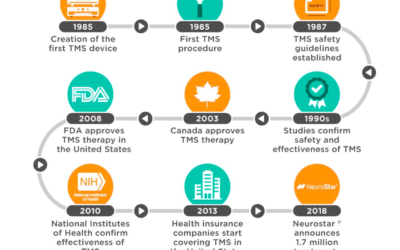
History of TMS for Depression
When Was TMS Invented? The investigation into Transcranial Magnetic Stimulation (TMS) and its profound impact on the brain has been an area of extensive research and neuroscience since the 1980s. However, it wasn't until 2008 that the FDA officially approved TMS as a...

Neuroscience of depression and treatment
TL;DR Depression affects 10% of people, causing symptoms like sadness, fatigue, and anhedonia (loss of interest). Brain regions involved in mood regulation, like the amygdala, hippocampus, and prefrontal cortex, are dysregulated in depression. Amygdala overactivity...

Orange Peel Theory And Healthy Relationships
TL;DR Orange Peel Theory suggests how a partner responds to small tasks (like peeling an orange) reflects the health of the relationship. A healthy relationship is measured by consistent behavior, empathy, mutual respect, and clear communication. Kindness and empathy...

Deep TMS Success Stories
TL;DR Deep TMS (dTMS) therapy is showing success for treatment-resistant depression, offering remission for many patients. dTMS is a non-invasive, office-based treatment that uses electromagnetic pulses to target specific brain regions. Patient testimonials highlight...
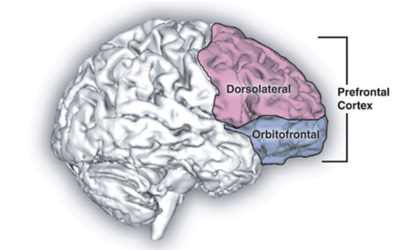
Why is the dorsolatereral prefrontal cortex (DLPFC) the favorite region to stimulate?
TL;DR TMS is effective for anxiety, depression, addictions, and autism. The DLPFC is targeted for its role in mood regulation and cognition. Left DLPFC underactivity is linked to depression, and TMS boosts its activity. High-frequency TMS shows strong results in...
How Do Neurotransmitters Affect Depression?
TLDR Depression involves imbalances in neurotransmitters like serotonin, dopamine, and norepinephrine. Low levels of these chemicals may contribute to depressive symptoms. Genetics can increase the risk of developing depression. Different types of depression have...